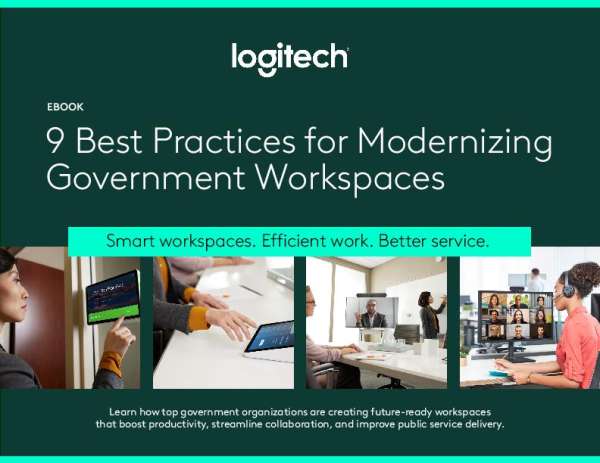
A modern, future-ready government workspace is designed around three core ideas: interoperability, role-specific tools, and employee well-being.
1. Interoperable, flexible technology
- Standardize on devices that work across Windows, macOS, iPadOS, Android, and ChromeOS.
- Ensure compatibility with leading government-trusted UC platforms such as Microsoft Teams, Zoom for Government, and Google Workspace (and related AI agents).
- Use room solutions that support BYOD, PC-based, and appliance-based configurations so you can adapt as platforms and policies evolve.
2. Role-tailored workspaces
- Equip public-facing staff with high-quality webcams and noise-canceling headsets for professional, reliable communication.
- Provide analysts and developers with precision mice and multi-device keyboards to support deep, focused work.
- Use simple, wired, plug-and-play setups in shared or hoteling spaces so rotating users can sit down and start working immediately.
3. Employee comfort and well-being
- Invest in ergonomic tools such as split keyboards, vertical mice, and eye-level webcams to reduce strain and support posture.
- Offer different headset styles (on-ear, over-ear, mono, stereo) to match comfort and role needs.
- Prioritize adjustable, durable, low-maintenance devices so employees can personalize their setup whether they’re in-office, remote, or at shared desks.
When these elements come together, agencies can reimagine their offices as consistent, efficient, and adaptable workspaces that scale across locations and job functions while easing the load on IT.




 Sign in with LinkedIn